The Run of A Lifetime?
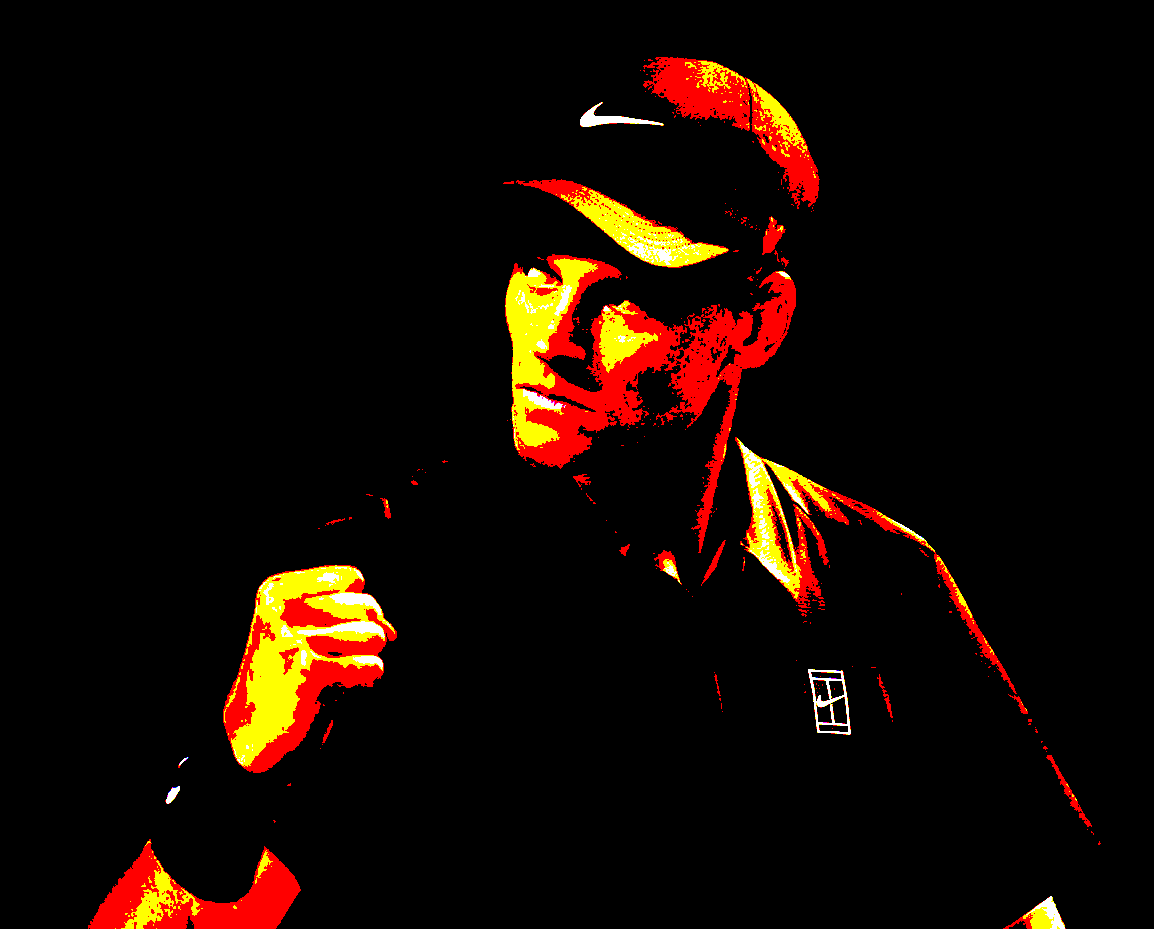
Sinner captured six consecutive Masters since late 2025, surpassing both Novak Djokovic’s and Rafael Nadal’s records of only four.
In 2027, Novak Djokovic turns forty. Being able to maintain such a threatening presence for so long is yet another trophy in his already packed cupboard. However, Djokovic’s anticipated retirement will signal the true end of an era, and the next generation has started to assemble. There’s nobody who’s produced such rapid, scheduled disassembly of his opponents this year as the Italian from the Alps, Jannik Sinner.
While Spanish rival Carlos Alcaraz’s wrist issues have given him the chance to attend the World Cup ↗ and go on boat cruises ↗, Sinner has been swinging freely without Carlitos involved. He’s capped off a devastating 44-3 record this year by defending his title at Wimbledon, dropping only three sets on the way.
Between an abdominal injury, recurring muscle issues, forearm injury, and now the lengthy wrist layoff, Alcaraz missed close to a year of cumulative competitive time across his young career. Until recently, Sinner had missed substantially less due to injury, though his controversial three-month doping suspension added a significant period away from competition. Yet after Sinner’s recent knee injury announcement, now the top two perform a legendary substitution for the US Open. Alcaraz seamlessly moved through to the third round today, but there seems to as much buzz about his new luscious locks as there is about his return to court ↗.
It’s been two months since Wimbledon wrapped up, so the question remains: how much of Sinner’s results this season were achieved in spite of pain?
The Italian’s dominance this year has been impressive by all standards, and his game appears to be constructed for statistical perfection. He’s robotically consistent, yet maintains incredible shot quality. He’s a sniper on serve, and an octopus on return. He’s powerful, but changes directions sensibly, and attacks with generous margins. His shot selection seldom raises a single eyebrow—let alone two—and most of the time simply commands a “too good, can’t do anything”. He builds points methodically, incrementally accumulating advantage through superior court pathways and ball quality, and then simply moves in and capitalizes. He’s got the reach that comes with being six-three, on top of speed and a thirst for blood.
Alcaraz has been a threat because he’s perhaps the only one with a game big enough, consistent enough and versatile enough to truly put Sinner on the back foot, both technically and mentally. Despite keeping the demeanor of a stone-cold assassin 99% of the time, Sinner’s energy changes when Carlos is on the other end of the court. “The eyes, chico… they never lie.”
Sinner and Alcaraz locked down 10 of the last 11 Grand Slams together (matching up in three finals), with the sole exception this year in at Roland Garros. After being vacated by defending champion Alcaraz due to injury, the clay Slam was captured by Alexander Zverev in a long-awaited maiden Major title after Sinner’s unprecedented heat-related exit in the second-round. At only twenty-four and twenty-three years old, respectively, it seems that a new standard of athleticism and quality has been set by the “New Two”—top players look faster, stronger and more complete then they used to.
As a youngster in the 2000s, I watched in awe at how fast pro tennis was, and how much it had increased in speed compared to previous decades. I was afraid that by the time I became an adult, tennis would be like laser tag.
While my concerns were a bit colorful, I wasn’t entirely wrong.
After his first-round loss to 20-year-old Alex Michelsen at the 2025 Australian Open, Stefanos Tsitsipas lamented the recent trajectory of pro tennis: ↗
“…in 2018 the game was very different to what it is now. It wasn't as physical—I've had wins over Novak and I felt like I played well, and I didn't have to kind of exceed the most extreme version of myself in that particular match…when I played years ago I felt like it was less powerful in general, the game, and it was still physical, but it was not as big as it is now. So I do feel like power has taken over, meaning that everyone can hit hard now, so you know, you just got to have to [sic] be precise as well.”
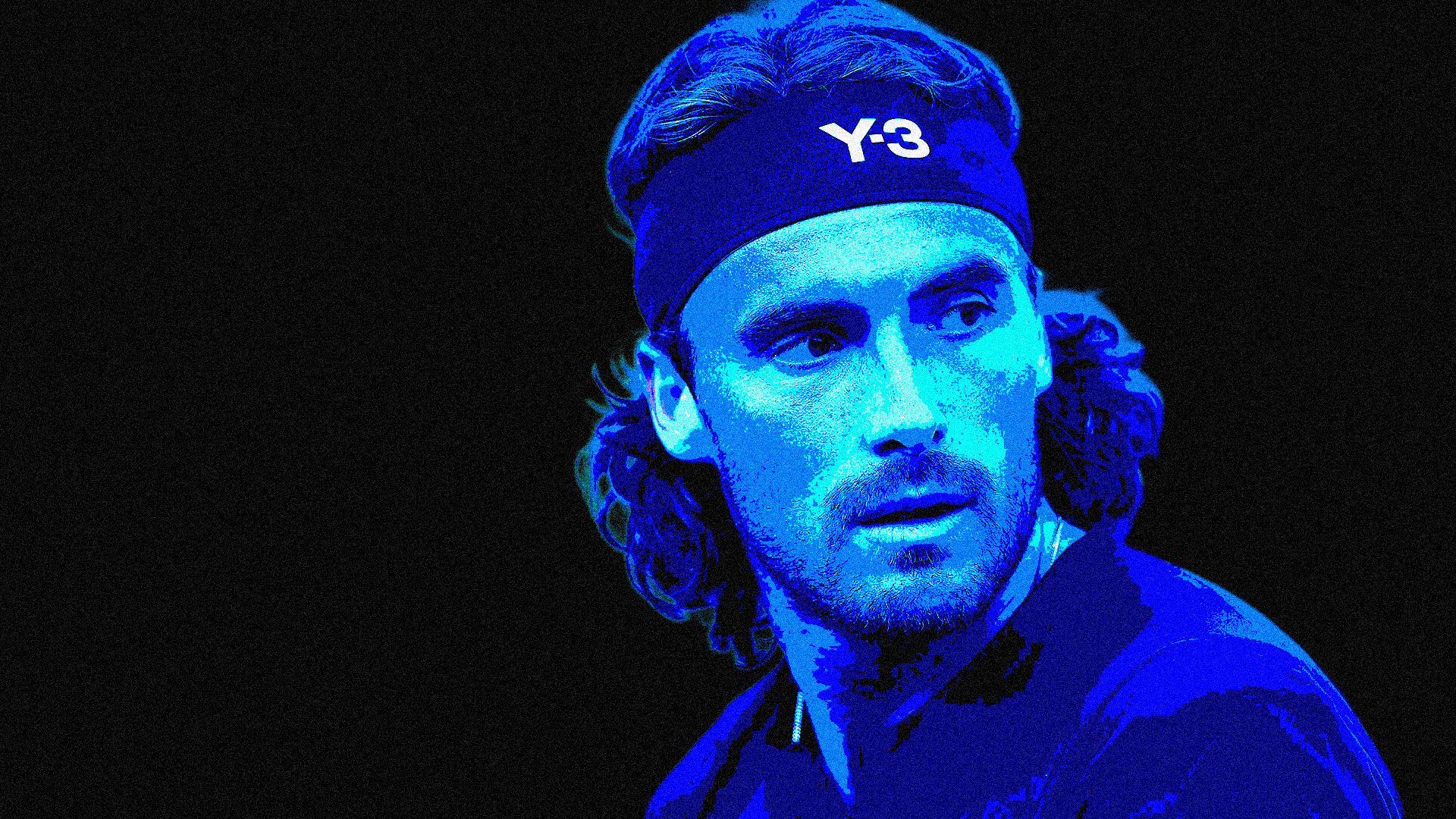
I was in Toronto for the 2018 Rogers Cup, where I watched a 20-year old Tsitsipas defeat Dominic Thiem, Novak Djokovic, Alexander Zverev and Kevin Anderson back-to-back before being edged out by Rafa Nadal in the final. What happened to this Greek god?
There’s no question that the level of power has increased tremendously over the years. Better training methods and racket technology has given players far more physical capital to work with. To Tsitsipas’s point, a cross-over point has emerged where sheer power has simply started to overwhelm everything else. Time to hop on the bandwagon and start slapping them kids, Stef.
I watched an early match between Sinner and Nadal at the 2021 Rome Masters, and seeing the two on the same court produced left me with some interesting sensations regarding how tennis has changed in the past decade. There’s no question that Nadal’s force and grit solidifies him as a legend of legends. However, he captured 22 Slams without best-in-class volleys, touch or serves, but by exceeding the highest standard of offense and defense. Djokovic still perseveres through ruthless efficiency and precision, and it also explains how he’s kept it up for so long. There’s a good reason that Sinner is already being portrayed as “Djokovic 2.0”, and that’s by bringing a level of destructive finishing power that Djokovic never quite had, on top of the rock-solid baseline game. Federer dominated for years with his masterful, aggressive all-court game, but his backhand never quite reached it’s full potential, and although his defensive game was far more impressive than he has ever been credited for, it wasn’t at the standard of his compatriots.
Before I get surgically decontructed in the comments, a disclaimer: nobody can fairly make comparisons between generations, because it’s simply speculation. We can only wonder, for example, how someone like John McEnroe would have played with access to modern technologies. But how could scream at virtual linesman? “Alexa: you cannot be serious!”
What Sinner and Alcaraz have demonstrated, in these times, is just how complete they are: there are fewer elements that distinguish them as players simply because almost everything they do is so ridiculous. Their overwhelming standard of power and direction means they practically toy with any lower ranked opponent. Pick your poison: napalm from the backhand or nuclear bomb from the forehand.
When even clay is made to look fast, maybe we should introduce mud as a surface to give grinders a chance again.
They both serve with excellent precision and excellent power (but one of the few areas Alcaraz could really sharpen), and despite the global increase in serve quality in past years, they have found the return game to back them up. Both finish frequently at the net, and have abused the dropshot back into existence, which once-upon-a-time was more a party trick than a mainstream technique. These combinations of power, direction and touch shows them exploiting the court in more extreme ways than ever before.
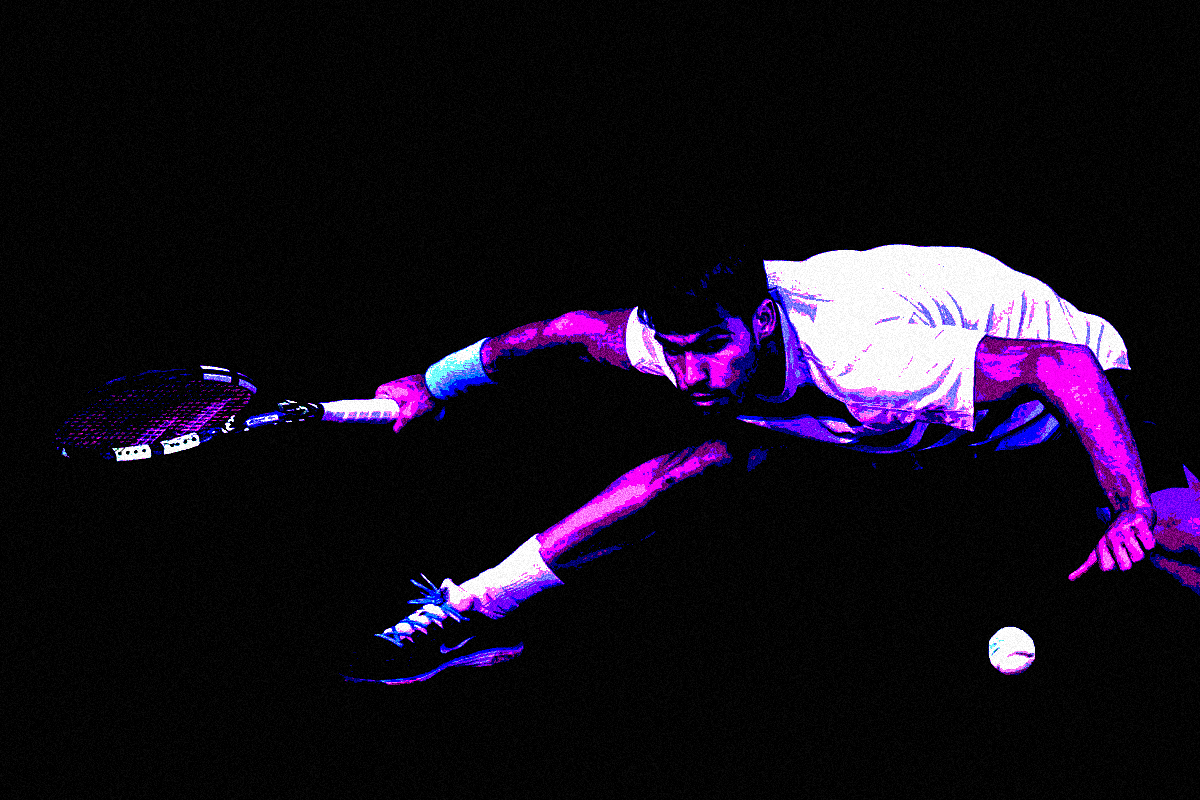
Alcaraz’s demeanor and style under pressure, especially first on tour as a teenager, left a deep impression on the world of tennis, me included.
When they’re pushed to cover court, I pity anyone attempting to finish even a single point against either of the two. While Alcaraz virtually teleports across the court ↗, even Sinner consistently brings points back from the brink of hopelessness.
On top of everything comes the mental side of things: these boys have ice in their veins. They simply do not let up under pressure. Sinner down two sets to love in the final of a Slam? No problem, I gotchu ↗.
Oh, what about when Carlos was down triple championship point? Brother, I said forget about it ↗.
However, with the way that these two have the competition locked down, what seemed like a once-in-a-lifetime generational run of players could turn into—well, twice-in-certain-lifetimes generational run.
While it seems as if there’s almost nobody to step up to the plate, there are four players in the Top 30 who are twenty-years of age or younger: Learner Tien, Jakub Menšik, Rafael Jódar and João Fonseca. They’re a few critical years of development behind the current Big Two, and that could be exactly what’s needed to shake up the order of affairs. Fonseca in particular has demonstrated he has the game and attitude to be a threat. The Brazilian has shown that he’s not afraid to take risks and play seriously big tennis while under pressure. On the other hand, Jódar is no hoke—I mean, joke. His shocking early exit at Flushing Meadows, on top of Fils’ (Tsisipas making a comeback?) have made this year’s draw in New York that much more interesting.
Anyone challenging the consistency of those top guys needs to be able to take it from them. Otherwise, trophy cupboards will soon turn into trophy warehouses.
All content created without the use of generative AI.